Are you trying to choose between a charming downtown Batavia Victorian, a mid-century ranch, or a newer subdivision home with a big kitchen and a 3-car garage? You want space that works for real life, but you also want a smart investment that holds value. This guide compares the most common home styles in Batavia so you can weigh layout, maintenance, inspections, and resale with confidence. Let’s dive in.
Batavia home styles at a glance
Batavia sits along the Fox River with a compact downtown and walkable river trails. Closer to downtown you will find late 1800s and early 1900s homes. Established mid-century neighborhoods spread beyond that, and newer subdivisions tend to be on the edges of town. Many move-up families decide between staying close to downtown character or choosing larger, modern floor plans in newer developments.
Below, you will see what to expect from each category, what to check during inspections, and how each style performs at resale.
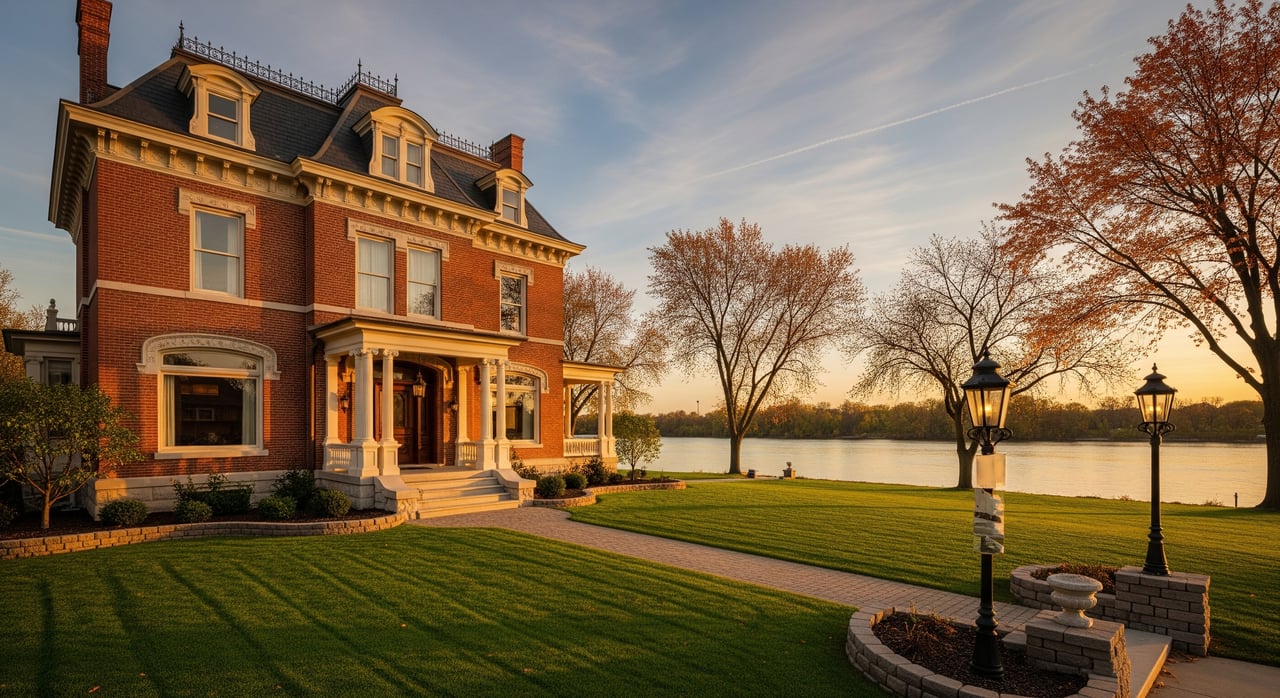
Historic homes near downtown
What you will love
- Architectural character like Victorian, Colonial Revival, Craftsman, and early 20th-century styles.
- Mature trees, front porches, and walkable access to shops, parks, schools, and Fox River trails.
- Tall ceilings, original wood trim, built-ins, and defined rooms that create a warm, classic feel.
Maintenance watchlist
- Older foundations and possible settling. Look for uneven floors or visible cracks.
- Historic materials like wood sash windows and original trim. You may choose repair over replacement to keep character.
- Mechanical updates. Many homes need modern electrical panels, HVAC, plumbing upgrades, and better insulation.
- Possible historic district rules. Exterior changes can be reviewed for compliance if the home sits in a designated district. Confirm status and guidelines with the City of Batavia before you renovate.
Resale snapshot
- Strong appeal for buyers who value character and walkability.
- Best resale when systems are updated and kitchens and baths are modernized.
- Some buyers still prefer open layouts, so thoughtful reconfigurations can help marketability.
Mid-century ranches and split-levels
What you will love
- One-story or split-level layouts with attached garages and larger lots than downtown.
- Flexible living spaces and basements that offer room to finish or rework.
- Single-floor living that can fit many stages of life.
Maintenance watchlist
- Basements and moisture. Check sump pump function and signs of water intrusion.
- Original systems. Furnace, water heater, and electrical panel may be at or beyond typical lifespan.
- Energy efficiency. Older single-pane windows and limited insulation often benefit from upgrades.
- Layout limits. Many ranches have 2 to 3 bedrooms. You may add a primary suite, open walls for larger living spaces, or finish the basement to expand.
Resale snapshot
- Consistent demand from families and buyers who prefer single-level living.
- Strong resale when updated for open flow, with an added primary suite or finished lower level.
- Good value-add potential if you plan to renovate.
Newer subdivisions and contemporary builds
What you will love
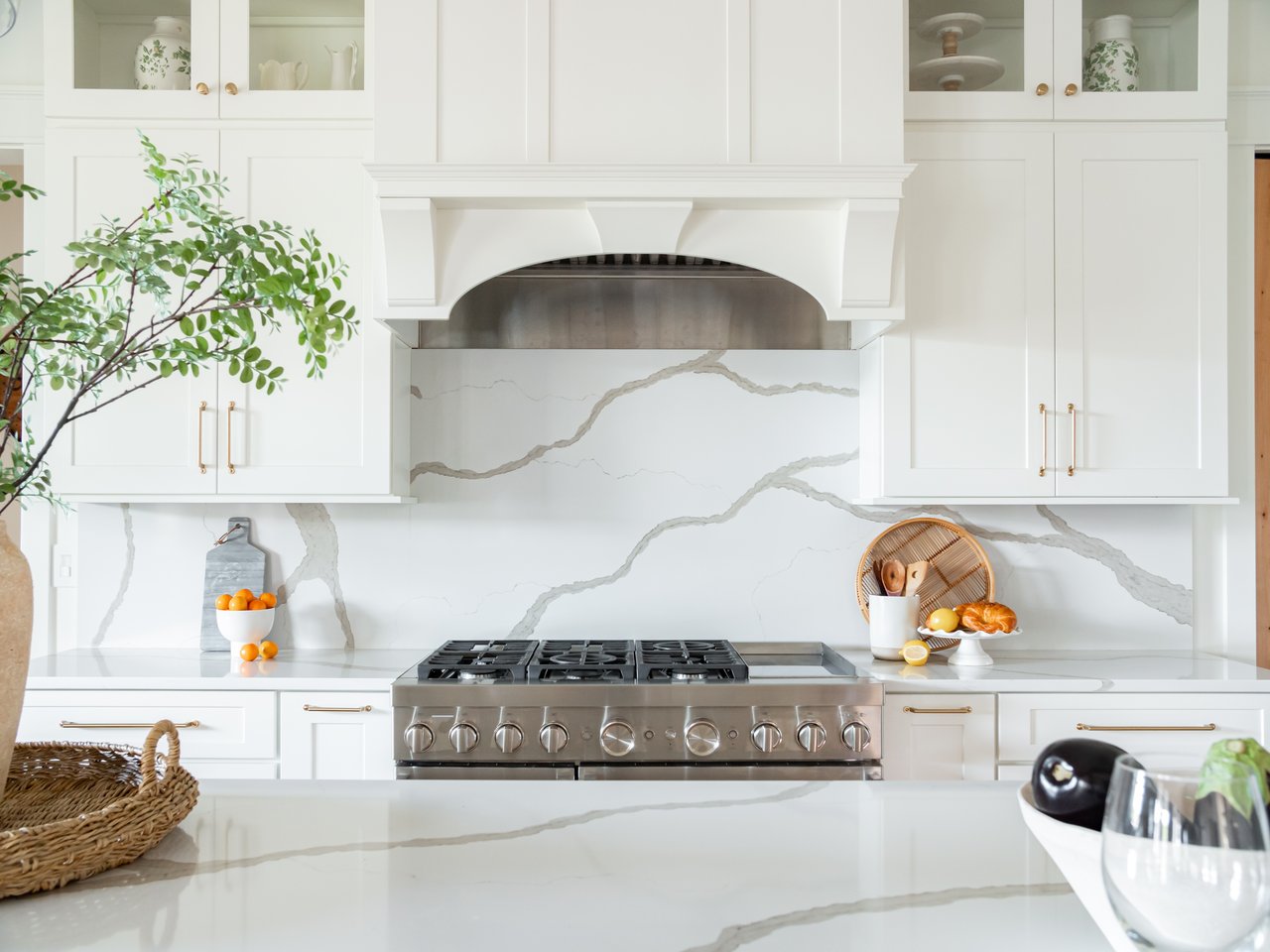
- Open-concept floor plans with large kitchens, family rooms, and generous primary suites.
- Energy-efficient features, modern insulation, central air, and low-maintenance exterior materials.
- Sidewalks, neighborhood parks, and possible HOA amenities, depending on the community.
Maintenance watchlist
- Lower near-term maintenance needs, but still plan for roof, HVAC, and water heater replacement based on age.
- Builder quality varies. Review records, warranties, and the quality of finishes.
- Landscaping typically matures over time, so plan for yard improvements.
Resale snapshot
- Broad appeal to move-up families seeking space and convenience.
- Homes often command a premium when finishes are updated and the location aligns with desired school boundaries and neighborhood amenities.
- HOA rules and fees can influence desirability and carrying costs. Review them early.
Layout and space planning for families
When you compare homes, think in terms of daily life and future needs.
- Bedrooms and baths. Aim for 3 to 4 bedrooms and a true primary suite if you want room to grow.
- Flexible spaces. A home office, playroom, or finished basement can reduce clutter and support routines.
- Kitchen and family room flow. Many families prefer open sightlines and an eat-in kitchen with access to the backyard.
- Storage and parking. Look for a 2 to 3 car garage, a mudroom or drop zone, and practical storage in the basement or attic.
Inspections and red flags in Batavia
Every home style has its own checklist. Plan for a thorough inspection and any specialty checks your location or property age suggests.
- Structure. Watch for foundation cracks, sloping floors, and signs of settling.
- Roof and drainage. Confirm roof age and condition, check gutters and downspouts, and verify grading moves water away from the foundation.
- Mechanical systems. Note furnace and AC age, hot water heater condition, and electrical panel capacity.
- Plumbing. Look for galvanized pipes or old solder. Ask about water pressure and the condition of the sewer lateral.
- Windows and insulation. Historic single-pane windows and minimal insulation can impact comfort and energy bills.
- Lead-based paint. For homes built before 1978, plan on lead-safe practices if you disturb painted surfaces.
- Environmental and local risks. Radon testing is common in the Midwest. If you are near the Fox River or low-lying areas, review flood maps and consider flood insurance needs.
Renovation planning and costs
Set a renovation plan that protects safety and value.
- Start with essentials. Prioritize electrical, HVAC, roof, and structural repairs to ensure safety and insurability.
- Modernize key spaces. Updated kitchens and baths often drive buyer interest and resale value.
- Improve flow. Opening walls or reworking older layouts can boost function, but confirm feasibility with a contractor.
- Add living space. Finished basements provide useful square footage at a lower cost per foot than many additions.
- Respect historic character. In older homes, thoughtful restoration of windows, trim, and original features can support long-term value.
Financing, insurance, and appraisals
Your loan and insurance choices should match the home’s condition and location.
- Loan types. Conventional, FHA, and VA can all work, and renovation loans can help if you plan major updates.
- Flood insurance. If a property is inside a mapped flood zone and you use a federally backed mortgage, flood insurance is required. Even outside mapped zones, proximity to the river is worth evaluating.
- Appraisals. Unique or historic features may require careful comparable selection. Not every special feature adds dollar-for-dollar value on an appraisal.
Local factors that shape value
A few Batavia-specific details can affect both daily life and resale.
- Location and walkability. Downtown and river-adjacent areas offer walkability to shops, parks, and events. Many buyers will pay a premium for that lifestyle.
- School boundaries. Confirm specific school assignments with the district, since boundaries can change.
- Floodplain and river proximity. Portions of Batavia along the Fox River lie in mapped floodplains, which can impact insurance and building approvals.
- Historic district rules. Exterior changes in designated areas may need review, which can affect timing and costs.
- Taxes, assessments, and HOA. Kane County taxes and any special assessments or HOA fees affect carrying costs. Review seller disclosures and association documents early.
- Market dynamics. Updated kitchens and baths, added living space, and energy efficiency tend to move faster in resale.
How to choose your best fit
- Pick your top three must-haves. Examples include a primary suite, a finished basement, or walkability to downtown.
- Decide your tolerance for projects. If you love character and plan to renovate, a historic or mid-century home might be perfect. If you want turnkey, lean toward newer builds.
- Weigh daily routines. If you cook and host often, prioritize kitchen size and flow. If kids play outside, look for a larger lot and easy backyard access.
- Run total cost of ownership. Include taxes, potential HOA fees, planned upgrades, and insurance.
Your next step with a local team
Choosing the right Batavia home is about balancing lifestyle with smart value. Our team guides you through style trade-offs, inspections, renovation planning, and timing your buy and sell. If you are moving up, we can also prepare and market your current home with in-house staging and studio-grade photography to support a smooth, coordinated move.
Ready to compare options and tour neighborhoods that match your goals? Connect with Holzl Homes for a tailored plan that fits your timeline and budget.
FAQs
Should a family pick a downtown historic home or a newer subdivision home in Batavia?
- Choose downtown for character and walkability, and choose newer subdivisions for larger modern layouts, lower immediate maintenance, and possible community amenities.
How much does it cost to renovate a historic Batavia home?
- Costs vary by scope. Prioritize structural and mechanical updates first, then phase cosmetic work. Use a detailed inspection and local contractor estimates to budget accurately.
Are mid-century ranches a good long-term choice for families in Batavia?
- Yes. Ranches offer single-level living and can expand with finished basements or additions. Resale is strong when layouts are opened up and a primary suite is added.
What inspections are essential for Batavia buyers?
- Get a general home inspection, radon test, and consider a sewer lateral check. Add specialized inspections for roof, HVAC, pests, or flood risk based on location and property age.
Do Batavia historic districts limit exterior changes?
- Possibly. Exterior alterations may need approval in designated districts. Confirm guidelines with the City of Batavia before you buy or start renovations.