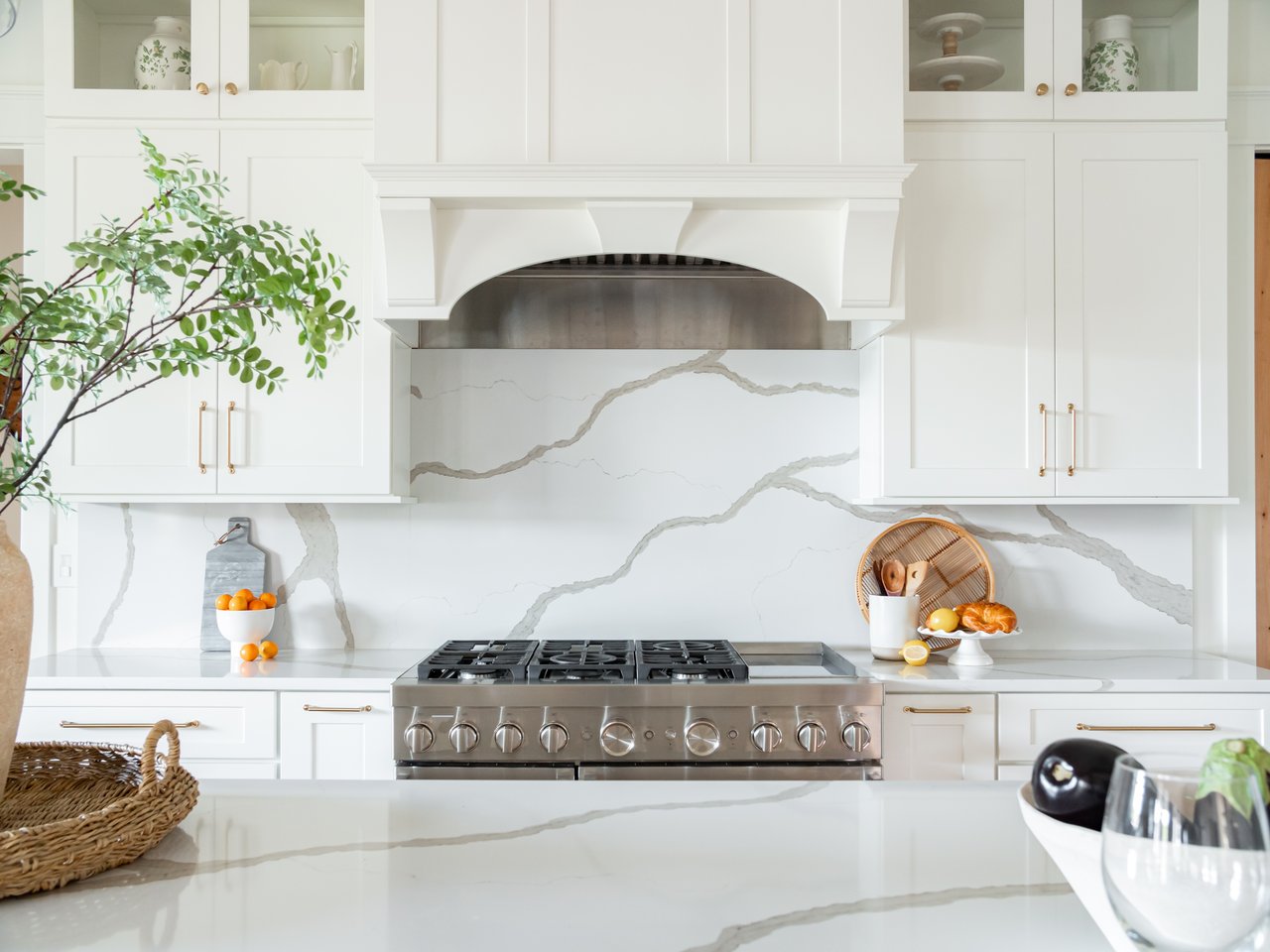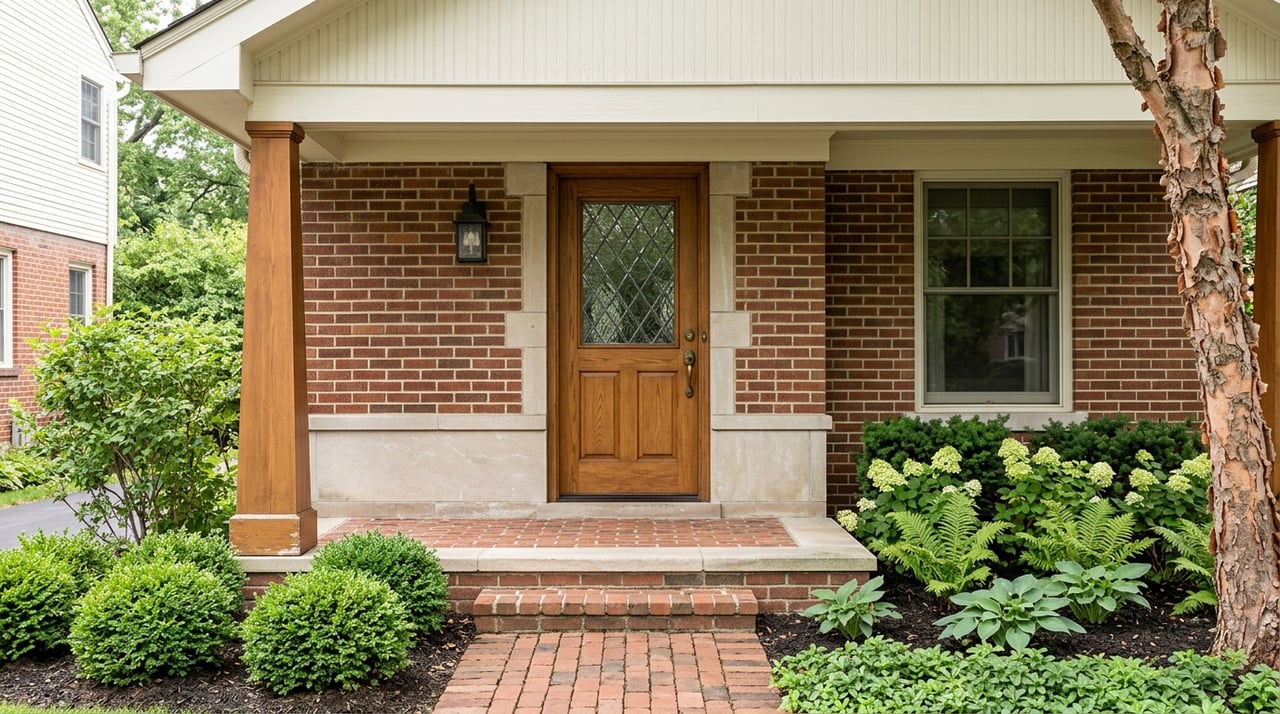
If you love the idea of a home with real character, Elgin is hard to ignore. Older homes here can offer craftsmanship, mature streetscapes, and architectural details that feel very different from newer suburban construction. If you are thinking about buying or selling a historic home in Elgin, this guide will help you understand the styles you may see, the upgrades that often matter most, and what daily living can really feel like. Let’s dive in.
Why Elgin Historic Homes Stand Out
Elgin’s historic neighborhoods grew in stages tied to the railroad, the dairy industry, and the Elgin National Watch Company. The city notes that turn-of-the-century homes often used local limestone for foundations and trim and local clay for brick.
That history still shows up in the housing stock today. Instead of one repetitive look, you will often see a mix of brick, limestone, wood trim, and masonry details that gives older Elgin homes their distinct presence.
Elgin currently recognizes four local historic districts, one thematic historic district, and 23 historic landmarks. The city’s preservation effort began in the early 1980s, led by residents in the Gifford Park neighborhood.
Historic Districts You May Hear About
If you are shopping in Elgin, it helps to know that “historic home” can mean different things depending on the property. Some homes are in local historic districts, some are designated landmarks, and some simply have older architectural character without a formal designation.
The city identifies these district groupings:
- Elgin Historic District
- Spring/Douglas Historic District
- Elgin National Watch Historic District
- D.C. Cook/Lovell Area Historic District
- Elgin Bungalow Thematic Historic District
This matters because official designation can affect renovation planning, especially for exterior work. Before you buy, it is smart to confirm a property’s status with the city’s historic preservation resources.
Architecture Styles Common in Elgin
Elgin’s historic housing stock is layered, which is part of its appeal. Depending on the neighborhood and block, you may see everything from large showcase homes to modest worker cottages.
Queen Anne Homes
Queen Anne homes are among the most visually detailed. In Elgin’s historic areas, these homes often stand out for their varied shapes and decorative exterior elements.
Inside, Queen Anne floor plans are usually asymmetrical, with rooms arranged in a less predictable pattern around a central staircase. In daily life, that can mean more separate rooms, more privacy, and a home that feels formal compared with newer open-concept layouts.
American Foursquare Homes
American Foursquares bring a more practical layout. These homes are generally based on a square plan, with a straightforward room arrangement that tends to feel efficient and easy to furnish.
If you want an older home with character but a simpler interior flow, a Foursquare can be a strong fit. Many buyers appreciate how usable these spaces feel without giving up historic charm.
Bungalows and Craftsman Homes
Bungalows are especially important in Elgin. The city identified more than 2,000 bungalows between 2013 and 2015 and created a citywide bungalow thematic historic district to recognize their significance.
At the simplest level, Elgin defines a bungalow as a one- to one-and-a-half-story house with a low-pitched roof and front porch. In everyday living, bungalows and Craftsman homes often feel cozy, informal, and porch-centered, with compact rooms that flow more naturally than many older Victorian-era layouts.
Prairie-Style Homes
Prairie-style homes appear in Elgin’s early-20th-century districts and often offer a different feel from more ornate older homes. Their first floors typically allow public rooms to flow together while still keeping some definition between spaces.
That can create a middle ground many buyers like. You get more openness than in a Queen Anne, but more structure than in a fully modern open floor plan.
Other Styles in Elgin
The D.C. Cook/Lovell area alone includes Queen Anne, Craftsman, Prairie, Tudor Revival, Colonial Revival, Dutch Colonial Revival, Classical Revival, Renaissance Revival, Cape Cod, Ranch, and Split-Level homes. Spring/Douglas is known for homes built largely between 1886 and 1920, including Queen Anne, Colonial Revival, and Prairie-style dwellings.
The Elgin National Watch district is different again, with worker cottages and vernacular houses shaping much of the area’s identity. That variety is a big reason Elgin feels established and visually interesting rather than uniform.
What Daily Living Feels Like
Character is easy to admire from the sidewalk, but floor plan and function matter just as much once you move in. In Elgin’s historic homes, your day-to-day experience will depend a lot on the style of the house.
If you choose a Queen Anne, you may get beautiful details and strong room separation, but also more stairs and less of an open gathering space. If you choose a bungalow, you may find the home feels more casual, lower-profile, and easier to live in day to day.
Foursquares often appeal to buyers who want simplicity and efficiency. Prairie homes can work well if you want an older property with a more connected main-floor feel.
In short, buying historic in Elgin is not just about curb appeal. It is also about choosing the kind of layout that fits how you actually live.
Upgrades Buyers Should Expect
Historic homes can be rewarding, but they usually come with a longer maintenance list than newer homes. In Elgin, common residential project categories include windows, roofs, siding, heating and air conditioning, porches, driveways, decks, fences, and patios.
That does not mean every older home needs major work right away. It does mean you should budget for ongoing upkeep and look closely at systems, exterior materials, and previous improvements.
Exterior Changes May Need Approval
In Elgin, a property designated as a landmark or located in a historic district needs a Certificate of Appropriateness for exterior changes. The city says this can apply not only to major alterations, but also to work involving porches, windows, doors, masonry, foundations, and spot-replacement repairs.
COAs are issued at no cost, and they are separate from building permits. If you are planning updates, that extra review step is important to understand early.
Grants May Help With Exterior Restoration
Elgin offers a Historic Architectural Rehabilitation Grant Program for residential property owners in designated historic districts. The city says reimbursement grants can be available for up to $20,000 for restoring exterior architectural features.
Applications are typically announced in January and due by the end of March or early April. For buyers planning careful exterior restoration, that is a local program worth knowing about.
Energy Updates in Older Homes
Many older homes have less insulation than newer ones. The U.S. Department of Energy says air sealing should be checked before adding insulation, which can help make upgrades more effective.
Storm windows are another common topic in older homes. DOE says low-e exterior or interior storm windows can save 12% to 33% on heating and cooling costs, depending on the existing window type.
For many buyers, the goal is balance. You want to improve comfort and efficiency while respecting the home’s materials, appearance, and any local historic review requirements.
Lead-Safety Questions to Ask
If you are considering a home built before 1978, lead-based paint should be part of your research. The EPA says these homes are more likely to contain lead-based paint.
The EPA also says buyers of most pre-1978 housing have a right to know about known lead hazards before signing. If renovation work will disturb lead-based paint in pre-1978 homes, lead-safe work practices are required under the Renovation, Repair and Painting rule.
This is not a reason to avoid older homes. It is simply part of doing careful homework before you buy and before you plan renovations.
Smart Questions Before You Buy
If you are serious about a historic home in Elgin, a few early questions can save time and stress later. These are some of the most practical ones to ask:
- Is the home inside a local historic district?
- Is the property a designated landmark?
- What exterior work has already been completed?
- Were past exterior changes reviewed when required?
- Which future projects might need a Certificate of Appropriateness?
- What are the likely near-term costs for windows, roofing, HVAC, porches, or masonry?
- Was the home built before 1978, and what lead disclosures apply?
Elgin also requires sellers of designated historic property to provide a historic-designation disclosure form no later than contract execution. The city may refuse a real-estate transfer stamp if that disclosure is missing, which shows how seriously local designation status is treated.
Why Historic Elgin Appeals to Buyers and Sellers
For buyers, Elgin’s historic homes offer something hard to recreate: layered architecture, established neighborhood identity, and materials that reflect the city’s history. You are not just buying square footage. You are buying into a home with a distinct look and feel.
For sellers, that character can be a real strength when it is presented well. Architecture, original details, and thoughtful upgrades often tell a stronger story than a standard listing ever could.
That is especially true in a market where buyers want both charm and clarity. A historic home tends to shine when its features, condition, and upgrade path are explained in a way that feels honest, visual, and easy to understand.
If you are thinking about buying or selling a historic home in Elgin, local guidance matters. The right strategy can help you evaluate architectural character, understand the city’s preservation framework, and make smart decisions about updates, timing, and presentation. When you are ready for expert support, connect with Holzl Homes.
FAQs
What makes historic homes in Elgin different from newer homes?
- Historic homes in Elgin often feature mixed materials like brick, limestone, wood trim, and masonry details, along with more varied architecture and floor plans than newer suburban homes.
What historic districts exist in Elgin, Illinois?
- Elgin recognizes the Elgin Historic District, Spring/Douglas Historic District, Elgin National Watch Historic District, D.C. Cook/Lovell Area Historic District, and the Elgin Bungalow Thematic Historic District.
What is a bungalow in Elgin?
- The city defines a bungalow as a one- to one-and-a-half-story house with a low-pitched roof and front porch.
Do exterior renovations on historic homes in Elgin need approval?
- Yes, if the property is a designated landmark or in a historic district, exterior changes may require a Certificate of Appropriateness, including work involving windows, porches, doors, masonry, foundations, and similar features.
What upgrades are common in older Elgin homes?
- Common budget items include windows, roofs, siding, heating and air conditioning, porches, driveways, decks, fences, and patios.
Are there grants for historic homes in Elgin?
- Yes, Elgin offers a Historic Architectural Rehabilitation Grant Program with reimbursement grants of up to $20,000 for restoring exterior architectural features on eligible properties in designated historic districts.
What energy improvements help older historic homes?
- Common areas to research include air sealing, insulation, and low-e exterior or interior storm windows, which the Department of Energy says can reduce heating and cooling costs depending on the existing window type.
What should buyers know about lead paint in older Elgin homes?
- Homes built before 1978 are more likely to contain lead-based paint, and buyers of most pre-1978 housing have a right to know about known lead hazards before signing.