Trying to choose between a brand-new home and a place with real history in Aurora? You are not alone. Aurora is one of those rare markets where both options are truly on the table, with newer development on the edges and older housing woven through central and west-side areas. If you are weighing comfort, maintenance, location, and long-term cost, this guide will help you sort through the tradeoffs and make a smarter decision for your next move. Let’s dive in.
Why Aurora Gives You Real Choice
Aurora is not a one-note housing market. The city stretches from Route 59 on the east to beyond Orchard Road on the west, and Aurora projects major growth in its Far East Side residential areas over the next 20 years.
That growth has helped create a split market. Aurora’s housing stock is still mostly single-family detached homes, which make up 58% of housing units, but the age and style of those homes can vary a lot depending on where you look.
According to Aurora’s 2025 to 2029 housing plan, 43.7% of the city’s housing units were built before 1980. In some central and northwestern areas, more than 80% of homes were built before 1980. That means your choice is often not just about price. It is also about the kind of ownership experience you want.
What New Construction Offers
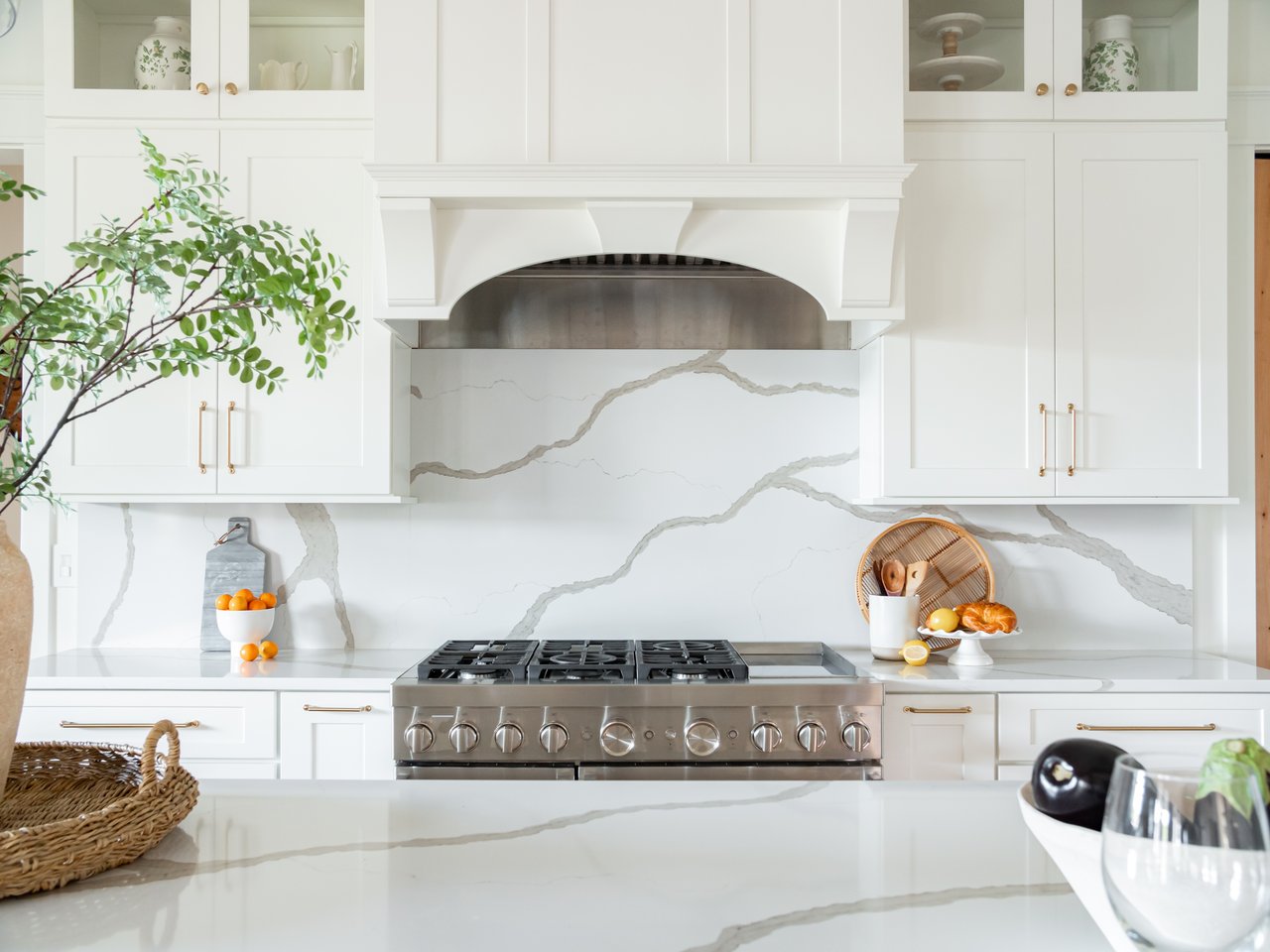
If you want a home that feels move-in ready from day one, new construction can be very appealing. In Aurora, newer projects include more than just one style of home. City planning records show active proposals with single-family homes and townhomes, and recent downtown multifamily openings show that new construction is happening in several forms.
For many buyers, the biggest draw is predictability. A newer home often means fewer immediate repair needs, more standardized layouts, and systems that are built to current standards.
Energy performance is another major plus. The U.S. Department of Energy says air leakage can account for 30% or more of heating and cooling costs, and proper air sealing works together with insulation, moisture control, and ventilation. ENERGY STAR also notes that new homes must meet strict energy-efficiency requirements and are field-verified by a third-party rater.
In practical terms, that can mean a home that feels more comfortable and potentially costs less to operate. If you want efficiency, convenience, and fewer unknowns in your first few years, new construction may fit your goals well.
Best fit for new construction
New construction may be the better match if you want:
- Fewer near-term maintenance projects
- A more modern floor plan
- Stronger energy performance from the start
- Less concern about updating major systems soon after move-in
- A more predictable ownership experience in the first five years
What Historic Charm Offers
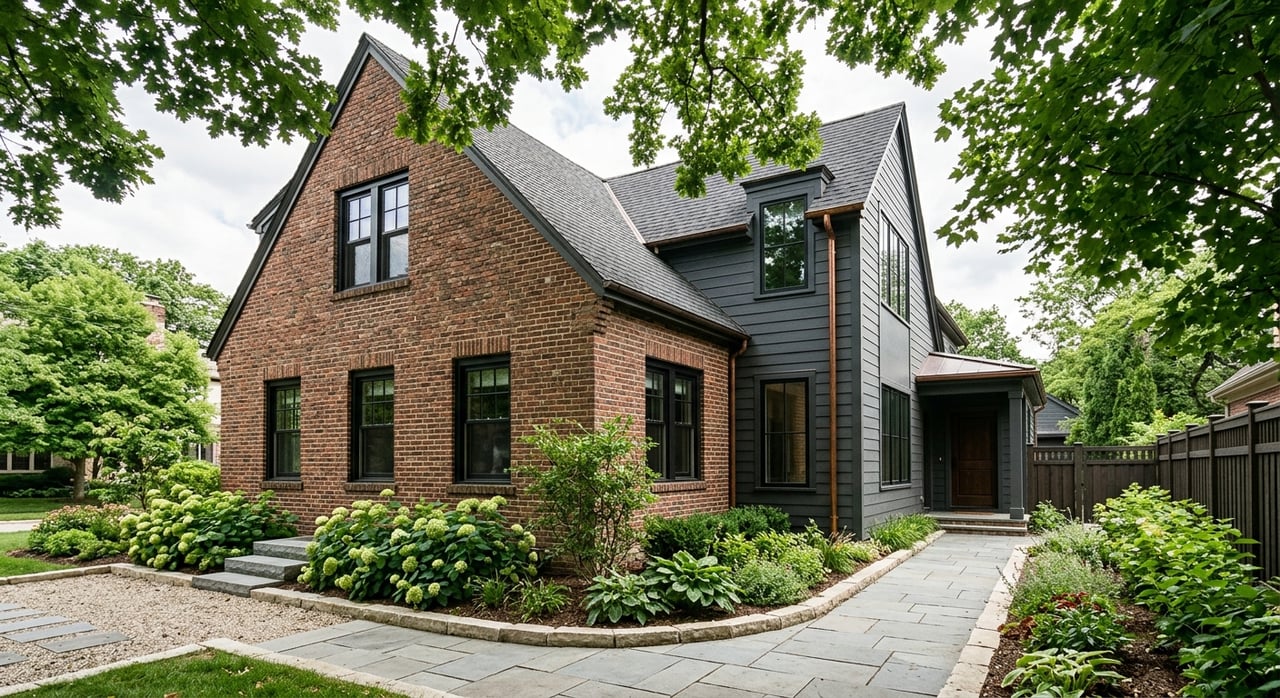
Older homes in Aurora bring a different kind of value. In many cases, it is not just about age. It is about design details, established surroundings, and location.
Aurora has a meaningful preservation framework, including four locally designated historic districts: Near Eastside, Riddle Highlands, Tanner, and Palace Street. The city also identifies National Register historic districts such as Westside, LaSalle Street Auto Row, and Stolp Island.
The appeal of these areas often comes down to character you cannot easily recreate. Aurora points to features like stained glass, wood floors, pocket doors, and open stairways. For some buyers, those details create a sense of warmth and individuality that newer homes simply do not offer.
Location can also be part of the draw. The city says its historic districts are within walking distance of downtown Aurora and the Metra station, with I-88 nearby. If being closer to the city center matters to you, an older home may open doors that newer edge-of-town development cannot.
Best fit for historic homes
An older Aurora home may be the better match if you want:
- Architectural character and original details
- Proximity to downtown Aurora or Metra access
- Established blocks and mature surroundings
- A home with a distinct layout and personality
- The opportunity to maintain or thoughtfully improve an older property
The Maintenance Question Matters Most
When buyers compare new construction and historic charm, the most useful question is often simple: how much maintenance are you willing to take on?
Aurora’s housing plan makes an important point. A home may look affordable upfront, but rehabilitation needs can raise your total cost later. That is especially relevant in a city where a large share of housing was built before 1980.
Older homes are more likely to need regular upkeep. That does not make them a poor choice. It just means you should budget with your eyes open.
If your goal is fewer repairs and less hands-on work early on, new construction usually has the edge. If you are comfortable with ongoing maintenance in exchange for location and character, an older home may still be exactly right for you.
Energy Efficiency Is Not Always Simple
It is easy to assume that new automatically means efficient and old automatically means costly. In Aurora, the picture is more balanced than that.
New homes do have a clear technical advantage in many cases. Better air sealing, insulation, and verified performance standards can support comfort and lower utility costs.
At the same time, Aurora notes that historic windows and doors can be as energy efficient as new windows if they are well maintained. So if you are considering an older home, it is worth looking at actual condition and upkeep rather than making assumptions based only on the year built.
That means your decision should focus on the specific home, not just the category. A well-kept historic property may perform better than you expect, while a new home may offer the simplest path to efficiency from day one.
Know the Rules Before You Buy Historic
If you are drawn to a home in one of Aurora’s locally designated historic districts, make sure you understand what comes with that choice. Historic ownership can be rewarding, but it does involve extra rules for certain exterior changes.
Aurora requires sellers in locally designated historic districts to provide buyers with the Historic Preservation Guidelines. Exterior changes generally require a Historic Certificate of Appropriateness, while minor maintenance and interior remodeling do not.
That distinction matters. If you plan to renovate exterior features, replace elements visible from the street, or make major visual changes, you should be prepared for review. If you mainly want to enjoy the home and handle ordinary maintenance, the process may feel much more manageable.
Lead Paint and Older Housing
For homes built before 1978, lead-based paint is an important part of the conversation. Aurora’s housing plan connects older housing to lead-based-paint risk, and EPA guidance says homes built before 1978 are more likely to contain lead-based paint.
The risk often becomes more serious during renovation, when work can create dangerous lead dust. Sellers and landlords of pre-1978 housing must disclose lead information and provide the required federal pamphlet.
For you as a buyer, this is less about fear and more about planning. If you are buying an older home and expect to renovate, you will want to understand condition, likely project scope, and the right steps before work begins.
Comparing the Tradeoffs
Here is a simple way to frame the choice in Aurora:
| Priority | New Construction | Historic or Older Home |
|---|---|---|
| Near-term repairs | Usually fewer | Often more likely |
| Energy readiness | Often stronger from day one | Depends on maintenance and updates |
| Layout | More standardized and modern | More varied and unique |
| Character | Cleaner, newer feel | Architectural detail and personality |
| Location style | Often newer edge-of-city areas | Often central, west, or near downtown |
| Exterior change rules | Usually more straightforward | May involve historic review in local districts |
Neither side wins for everyone. The better choice depends on how you live, what you value, and how much flexibility you have in your budget.
Five Questions to Ask Yourself
If you feel stuck, start here. These questions can quickly point you in the right direction.
1. How much upkeep can you handle?
If even a few early repairs would feel stressful, a newer home may give you more peace of mind. If you enjoy maintaining a home and appreciate older craftsmanship, historic charm may feel worth it.
2. Do you want character or consistency?
Some buyers love period details, unusual layouts, and original materials. Others prefer a home that feels simple, fresh, and easy to furnish.
3. Will you change the exterior?
If you are buying in a locally designated historic district and want to make exterior updates, Aurora’s review process should be part of your planning. If your vision is mostly interior, the rules may affect you less.
4. How important is downtown access?
Aurora notes that historic districts can offer walkability to downtown and the Metra station, plus access to I-88. If that convenience matters to your daily life, it may justify tradeoffs elsewhere.
5. Do you want efficiency from day one?
If lower operating costs and newer building performance are at the top of your list, new construction may be the cleaner fit. If you are open to evaluating the condition of an older home more closely, you may find a property that balances charm and performance.
Budget Beyond the Purchase Price
Aurora’s citywide median value of owner-occupied housing units is $274,800. The city also reports median monthly owner costs of $1,995 for homeowners with a mortgage and $1,596 for renters.
Those numbers are useful background, but they do not tell the whole story. Your real budget should account for the full cost of ownership, including repairs, efficiency, updates, and any work needed to make the home function the way you want.
That is why this decision is rarely just about sticker price. A lower-priced older home can become more expensive if major projects stack up, while a newer home may cost more upfront but deliver a smoother first few years.
Aurora also notes that some homebuyers moving into the city may qualify for purchase assistance on single-family homes. If budget is tight, that is another local factor worth exploring as part of your plan.
The Right Answer Is Personal
In Aurora, this is not a debate with one winner. The city offers both active new development and deeply established older neighborhoods, which gives you real flexibility as a buyer.
If you want lower-maintenance living, modern systems, and stronger day-one efficiency, new construction may be the better fit. If you want architectural detail, central location, and a home with a strong sense of place, an older Aurora property may be the better move.
The key is to match the home to your lifestyle, not just your wishlist. When you weigh maintenance tolerance, renovation plans, operating costs, and location priorities together, your answer usually becomes much clearer.
If you want help comparing Aurora homes with a clear eye on long-term value, neighborhood fit, and resale potential, reach out to Holzl Homes. Our team helps buyers make confident moves with local insight and a process that keeps the details organized from day one.
FAQs
What is the main difference between new construction and older homes in Aurora?
- New construction usually offers fewer near-term repairs, more modern layouts, and stronger energy performance, while older Aurora homes often offer more architectural character, central locations, and established surroundings.
Are there historic districts in Aurora, Illinois?
- Yes. Aurora identifies four locally designated historic districts: Near Eastside, Riddle Highlands, Tanner, and Palace Street.
Do Aurora historic homes have extra renovation rules?
- Yes. In Aurora’s locally designated historic districts, exterior changes generally require a Historic Certificate of Appropriateness, while minor maintenance and interior remodels generally do not.
Are older Aurora homes always less energy efficient?
- No. Aurora notes that historic windows and doors can be as energy efficient as new ones if they are well maintained, though new homes often have an advantage because of current energy-efficiency standards.
Should buyers in Aurora worry about lead paint in older homes?
- If a home was built before 1978, lead-based paint is more likely to be present, and renovation work can create dangerous lead dust. Buyers should understand disclosures and plan carefully before remodeling.
Is Aurora a good place to compare both housing styles?
- Yes. Aurora is a split market with newer development on the edges of the city and a large share of older housing in central and northwestern areas, giving buyers real options in both categories.