If you price your Aurora home like every part of the city moves the same way, you could leave money on the table or lose momentum right out of the gate. Selling in Aurora is not just about picking a number that sounds good. It is about understanding where your home fits, what buyers are comparing it to, and how presentation affects the price they are willing to pay. If you want to price with more confidence and fewer surprises, this guide will walk you through the strategy. Let’s dive in.
Aurora pricing starts local
Aurora is a large, varied market, and that matters more than many sellers realize. The city spans four counties, six school districts, and a wide stretch from Route 59 to beyond Orchard Road. It also includes distinct areas like the Far East Side near Fox Valley Mall and the Near East Side near Chicago Premium Outlets, which helps explain why buyer demand can shift from one part of Aurora to another.
That is why a smart pricing strategy starts with your specific submarket, not the citywide average. A buyer looking in one part of Aurora may not be comparing your home to listings across the entire city. They are usually comparing it to homes with a similar location, style, condition, and price range.
Citywide data only tells part of the story
Aurora’s May 2026 housing snapshot shows 327 homes for sale, a median listing price of $379,900, a median sold price of $335,500, median days on market of 22, and a sale-to-list ratio of 100 percent. Realtor.com classifies Aurora as a seller’s market and a hot market at that time.
Those numbers are useful, but they are only a starting point. The biggest takeaway is that Aurora does not have one price point. It has several pricing pockets, and your list price should reflect the one your home actually belongs in.
Data note: Citywide and portal figures like these are a helpful starting point, but a final pricing recommendation should be built from a current MRED MLS review of closed, active, and pending sales in your home's specific competitive area, not portal estimates alone.
Aurora submarkets can vary widely
Recent ZIP code data shows how different Aurora pricing can be from area to area. Median listing prices have recently ranged from about $227,000 in 60505 to $497,450 in 60502. Median days on market across those ZIPs have stayed fairly tight, ranging from 19 to 26 days, but inventory levels vary quite a bit.
Neighborhood-level numbers tell a similar story. Median prices range from about $215,000 in Southeast Aurora to $447,271 in Washington Neighbors, with West Aurora at $347,450 and Big Woods Marmion at $404,500. That spread is a strong reminder that a one-size-fits-all pricing approach can miss the mark.
Use comps that match your buyer pool
The best list price is built from recent closed sales, not just active listings. Active homes show what sellers hope to get. Closed sales show what buyers have actually been willing to pay.
In Aurora, comp selection takes extra care because the city covers so much ground and includes different housing types, ages, and location patterns. If your home sits near a district boundary or in an area with a different mix of homes than nearby neighborhoods, broad city averages can be misleading. The closer the comp match, the stronger your pricing strategy will be.
What strong comps should reflect
When your agent builds a pricing recommendation, the most helpful comparable sales should line up with:
- Your ZIP code or immediate neighborhood
- Similar home size and style
- Similar lot size and age range
- Similar level of updates and condition
- A recent sale date, especially in a fast-moving market
If a comp looks better on paper but appeals to a different buyer pool, it may not be the right benchmark. That is one reason pricing in Aurora needs a local, property-specific lens.
Think in pricing bands, not one average
A practical way to look at Aurora is through pricing bands. Based on recent ZIP and neighborhood medians, some areas fall into a lower band in the low-to-mid $200,000s, others into a middle band in the high $200,000s to mid $300,000s, and others into a higher band in the low $400,000s to upper $400,000s.
This is not a rigid formula, but it is a helpful frame. Your goal is to position your home clearly within the band where buyers already feel comfortable shopping. If you price just outside that band without enough support from condition or features, you may lose attention from qualified buyers.
Condition affects what buyers will pay
Two homes with similar square footage can land at very different price points if their condition is not the same. Buyers notice whether a home feels move-in ready, dated, or somewhere in between. Your price needs to account for that honestly.
This matters even more in a market where asking prices can run above sold prices. If your home needs updates, deferred maintenance, or cosmetic improvements, buyers may compare it against better-presented options and adjust their offers accordingly. A smart list price reflects not just what your home is, but how it stacks up in real-world comparison.
Presentation can support a stronger price
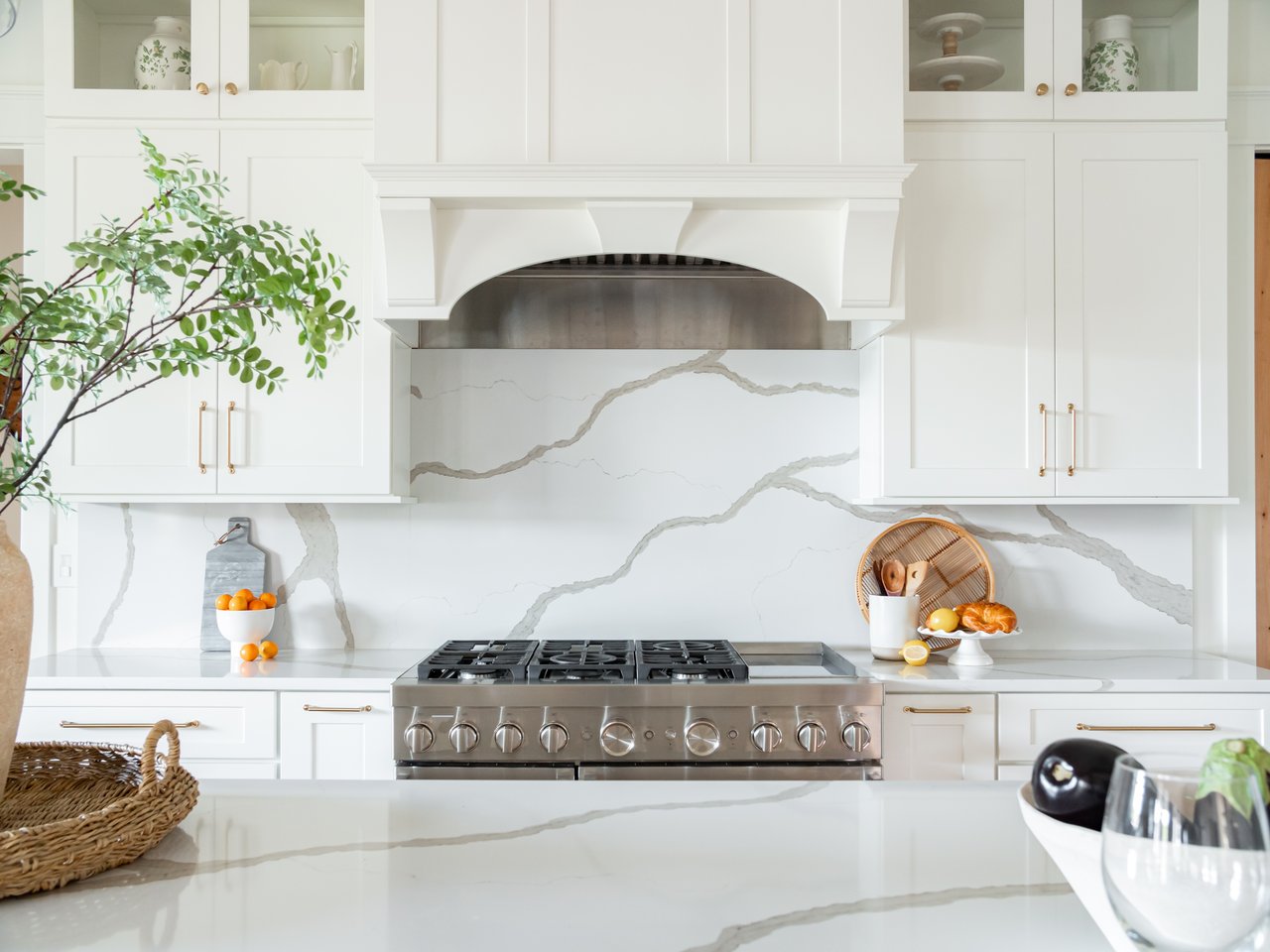
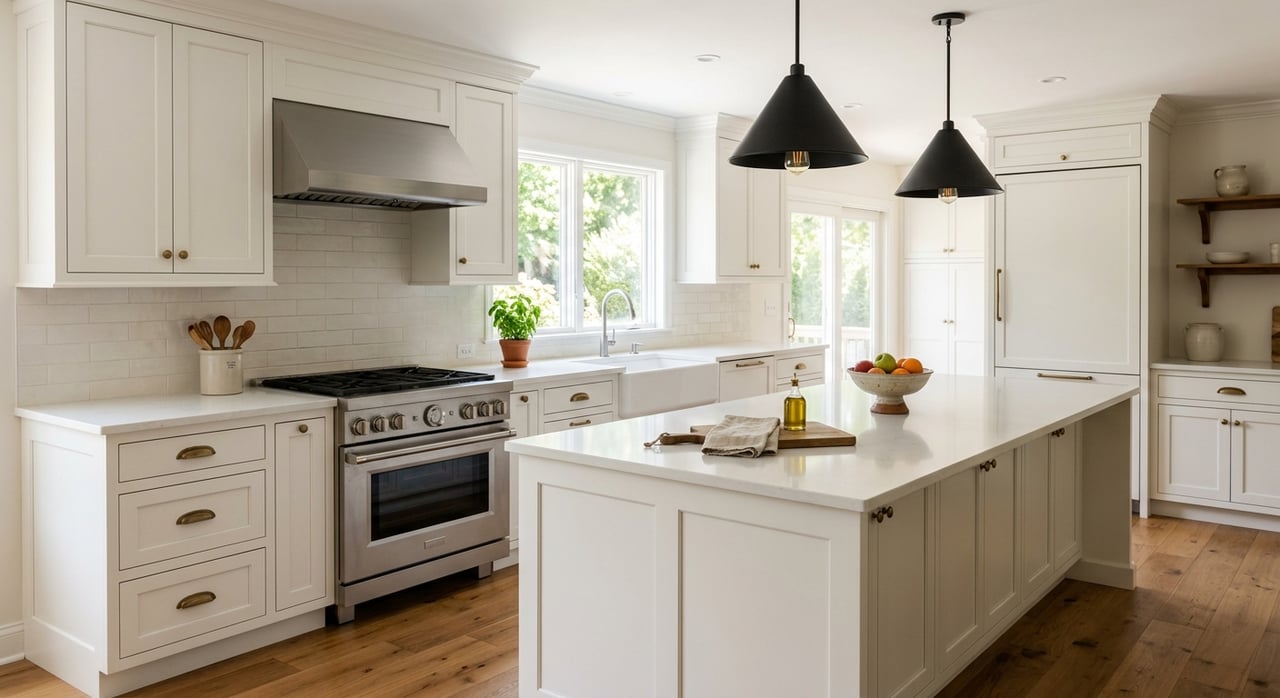
Price gets buyers to click, but presentation helps them believe the price makes sense. That starts online, where buyer behavior often begins. According to NAR research cited in the report, 43 percent of buyers first start online, and 81 percent rate listing photos as the most useful feature in their search.
That means your first showing often happens on a screen. If the home looks polished, bright, and easy to understand, buyers are more likely to schedule a visit and view it as worth the asking price. If the presentation feels flat or incomplete, even a well-priced home can struggle to build momentum.
Why staging matters in pricing strategy
Staging is not just about looks. It can play a real role in how buyers value a home. NAR staging research found that 83 percent of buyers’ agents said staging made it easier for buyers to visualize the property as a future home.
The same research reported that 48 percent of sellers’ agents said staging decreased time on market, and 20 percent said staging increased the dollar value offered by 1 percent to 5 percent compared with similar unstaged homes. In a city like Aurora, where pricing varies widely by submarket, strong presentation can help support a higher asking price, especially in upper pricing bands.
For sellers who want to maximize both speed and net results, this is where Holzl Homes brings real value. Our in-house staging, studio-grade photography, and curated marketing approach are built to help your home compete at a higher level from day one.
The first week matters most
Even in a strong market, the launch window is critical. Aurora’s median days on market is currently 22, which means buyers are moving quickly. The first week can tell you a lot about whether your pricing and presentation are working.
If showings are light, online interest is weak, or comparable homes are getting more traction, that is often a sign that something needs adjustment. In many cases, the issue is not patience. It is price, condition, or marketing quality.
Signs your price may be off
Watch for early signals like these:
- Few showing requests after launch
- Strong online views but limited in-person traffic
- Repeated feedback that the home feels high for the area
- Nearby competing homes going under contract first
A well-priced home should create clear interest early, especially in a seller’s market. Waiting too long to respond can make a listing feel stale.
Timing helps, but strategy matters more
Realtor.com’s 2026 Best Time to Sell report identified April 12 through 18 as the best national listing window, with historically higher views per listing and faster sales than average. It also reported that median listing prices during that week have historically been about $26,000 above January levels.
That said, timing alone will not fix weak pricing. A smart seller uses timing as an advantage, but still relies on strong comps, honest condition analysis, and standout presentation. In Aurora, where homes can move in under a month, disciplined pricing is what helps you capitalize on buyer demand.
A smart Aurora pricing plan
If you are preparing to sell, your pricing plan should answer a few simple questions before you hit the market:
- Which Aurora submarket am I really competing in?
- What have similar homes recently sold for nearby?
- How does my home’s condition compare to those sales?
- Does my presentation support the asking price?
- Am I positioned inside the right pricing band for my buyer pool?
When you can answer those questions clearly, you are much more likely to launch with confidence and attract serious buyers fast.
Why tailored pricing wins
The biggest mistake Aurora sellers can make is treating the entire city like one market. Local data shows too much variation for that approach to work well. A home in one ZIP code, neighborhood, or pricing band may need a very different strategy than a similar-sized home elsewhere in Aurora.
The strongest pricing strategy is tailored, data-driven, and backed by presentation that helps buyers see the value right away. That is how you protect your momentum, reduce guesswork, and give yourself the best chance at a strong sale.
If you are thinking about selling and want a pricing strategy built around your home’s exact location, condition, and competition, Holzl Homes can help you make your next move with clarity.
FAQs
How should you price a home in Aurora, IL?
- You should price an Aurora home based on recent closed sales in your ZIP code or neighborhood, your home’s condition, and the current competition in your specific submarket.
Why is Aurora home pricing different by area?
- Aurora spans four counties, six school districts, and several distinct east and west side areas, so buyer demand and price ranges can vary sharply depending on location.
What is the Aurora housing market like right now?
- As of May 2026, Aurora had 327 homes for sale, a median listing price of $379,900, a median sold price of $335,500, median days on market of 22, and a 100 percent sale-to-list ratio.
Do staging and photos affect Aurora home prices?
- Yes. The research report shows buyers rely heavily on online listing visuals, and staging can help buyers picture the home more easily, reduce time on market, and in some cases increase offers.
When should you adjust your Aurora list price?
- If your home gets weak traffic, limited showings, or repeated feedback that it feels overpriced during the first week, it may be time to review the price, condition, or marketing approach.